Separation Anxiety in Dogs: Signs, Causes and How a Sitter Can Help
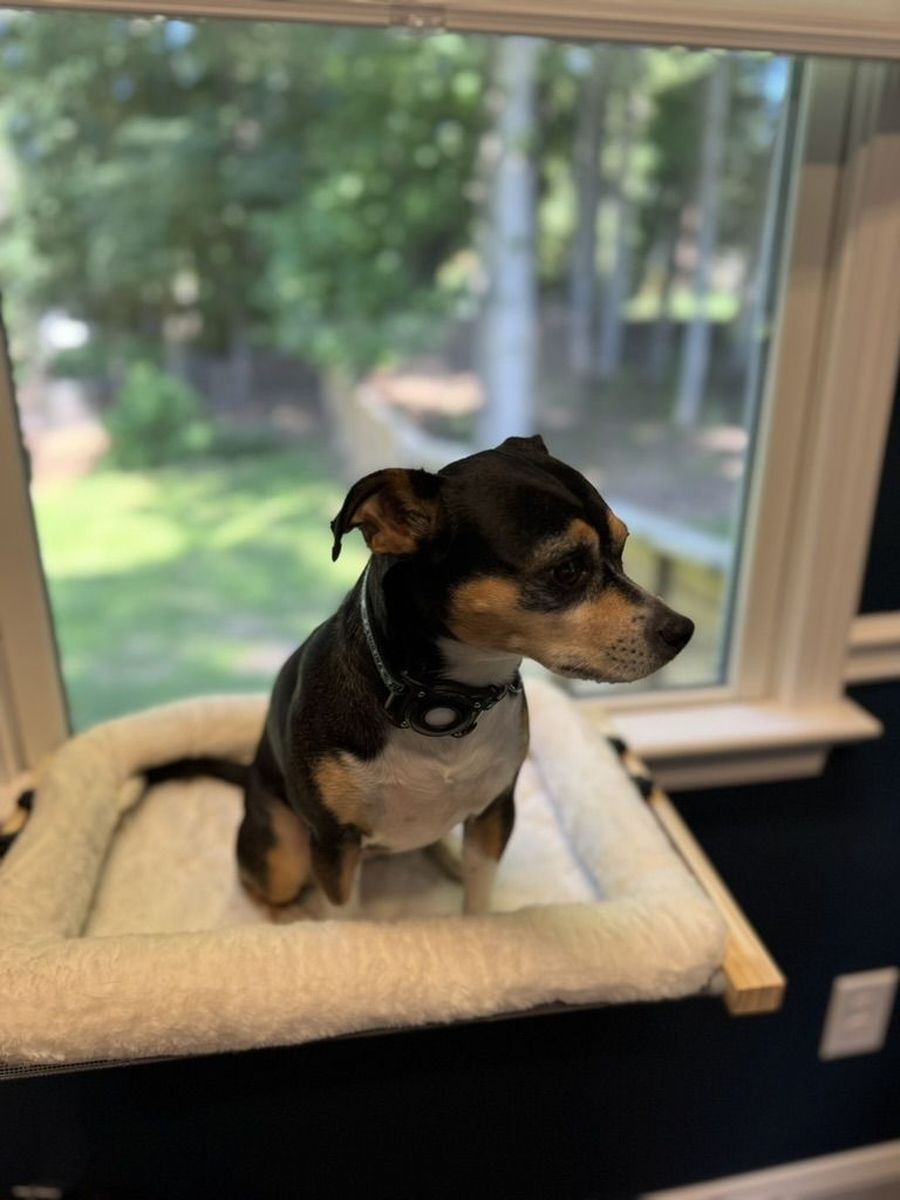
Some dogs get upset when their people leave. When the distress is intense and happens only when the dog is alone or separated from a particular person, it may be separation anxiety.
Common signs
- Barking, howling or whining when you leave or soon after
- Destructive behavior near doors, windows or crates
- Indoor accidents in a house-trained dog
- Pacing, drooling or panting
- Trying to escape, sometimes injuring themselves
- Following you from room to room and intense greeting behavior
Other conditions, such as medical problems, incomplete house training or simple boredom, can look similar. A veterinary exam is a good first step.
What may contribute
Separation anxiety can follow major changes: a move, a new schedule, a loss of a household member, or time at a shelter. Some dogs are simply more sensitive. It is not a sign of spite or poor training.
How to help your dog
- Talk to your vet or a veterinary behaviorist. Moderate and severe cases often need a professional plan, and sometimes medication.
- Practice short absences. Start with seconds or minutes your dog can handle, and build up slowly.
- Keep departures and arrivals calm. Skip the dramatic goodbyes.
- Provide exercise and mental stimulation before you leave, such as a walk, sniff time, or a food puzzle.
- Never punish. Punishment increases fear and anxiety.
- Consider a midday visit from a walker or sitter.
Planning a trip with an anxious dog
- Choose in-home care. Staying in a familiar place is usually easier than a new facility.
- Pick a sitter who can stay longer or visit more often. Overnight stays or multiple visits reduce alone time.
- Do trial visits. A few short visits before your trip help your dog get to know the sitter.
- Share your dog's coping tools. Include favorite toys, a worn shirt, the sound or music that helps, and the safe spot.
- Make the home secure. Anxious dogs can bolt or chew through barriers. Check gates, doors and crates.
- Update by text. Ask for a photo or video after each visit.
What a sitter should do
- Move calmly and avoid forcing affection
- Stick to the routine you provide
- Use food puzzles or chews to occupy the dog
- Never leave a panicking dog in a crate if that makes things worse, unless you have said it is safe
- Call you or the vet if your dog is injuring themselves or refusing to eat or drink
With patience and the right support, most anxious dogs can feel safer when you are away.
Further reading
This article is general information for pet owners and is not a substitute for advice from your veterinarian.


