Caring for Cats While You're Away: How Often Should a Sitter Visit?
Many cat owners assume a bowl of food and a full water dish will cover a weekend. For a healthy, adult cat on a very short trip that may be partly true, but a daily visit from a person is much safer and more comfortable.
How many visits does a cat need?
There is no universal rule, but common guidance includes:
- Once a day is the minimum most pet care professionals recommend for a healthy adult cat on a short trip.
- Twice a day is better for kittens, seniors, cats on medication, and cats with health conditions or very strong routines.
- Overnight stays suit anxious or sensitive cats, and households with several pets.
Ask your vet if your cat has any condition that changes the answer.
What a good cat sitter does on each visit
- Fresh water and food at the usual portions and times
- Litter box scooping and a full clean-out when needed
- Playtime and attention, including brushing or lap time if your cat enjoys it
- A health check: appetite, energy, litter box output, vomiting, hiding or limping
- Home check: doors, windows, temperature, and any signs of spills or damage
- A text or photo update for you
Setting up before you go
- Water: Multiple bowls or a fountain help, but they do not replace visits.
- Automatic feeders: Fine as a backup, but not a replacement for a daily check-in.
- Litter boxes: Add an extra box for longer trips. Clean boxes matter a great deal to cats.
- Safe spaces: Leave hiding spots, cat trees and window perches available.
- Hazards: Close off dangerous areas, secure windows and screens, and put away cords, string, hair ties and toxic plants. Lilies are extremely toxic to cats. See our pet toxin guide.
Keep it familiar
Cats dislike change. Keep the same food, litter, bedding and routine. A worn t-shirt or blanket that smells like you can be comforting.
Stress signs to watch
- Overgrooming or bald patches
- Hiding for most of the day or refusing food
- Urinating outside the litter box
- Excessive vocalizing
If a cat stops eating for more than a day, or shows any urinary difficulty, a sitter should contact the vet right away.
Multi-cat households
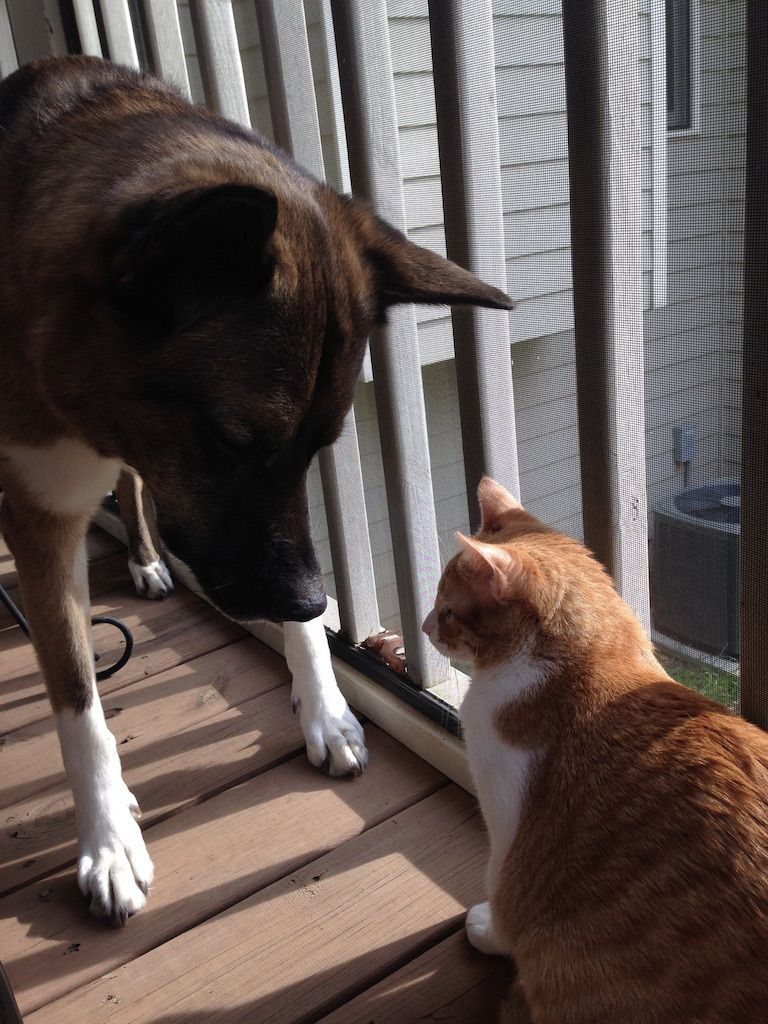
Cats who are normally friendly can become tense when stressed. Keep food and litter stations separate and watch for tension. Let your sitter know who gets along and who needs space.
A little structure and a person who checks in daily goes a long way toward keeping your cat healthy, calm and happy while you are gone.
Further reading
This article is general information for pet owners and is not a substitute for advice from your veterinarian.