My Cat Hides From Strangers. Can a Cat Sitter Still Help?
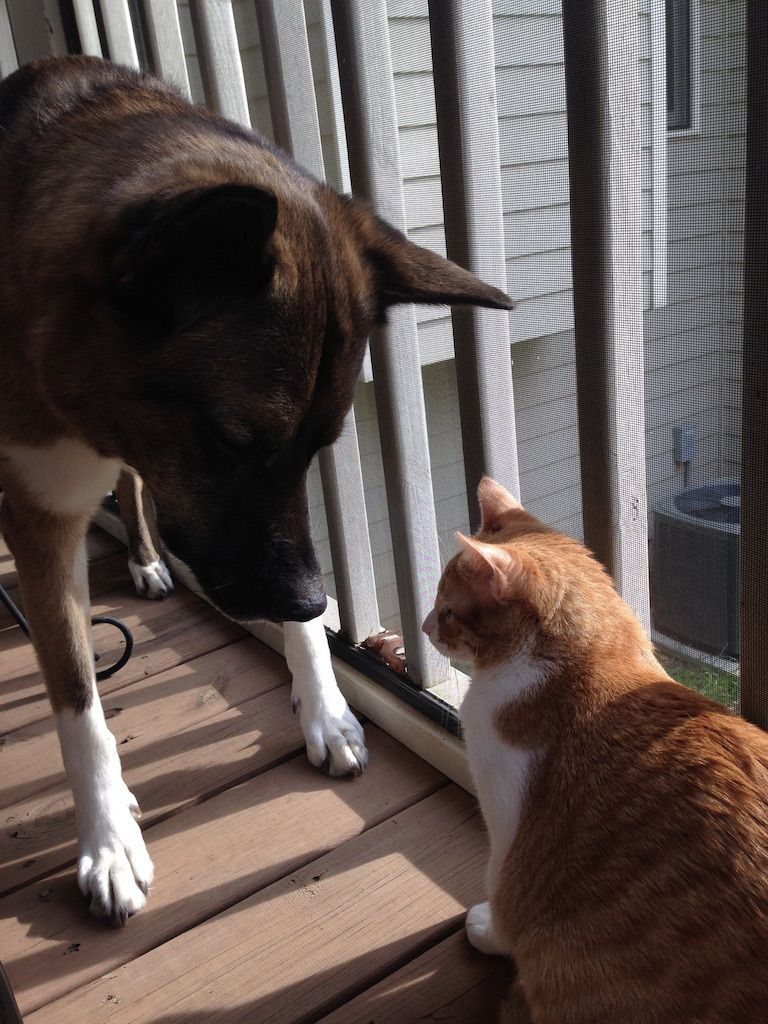
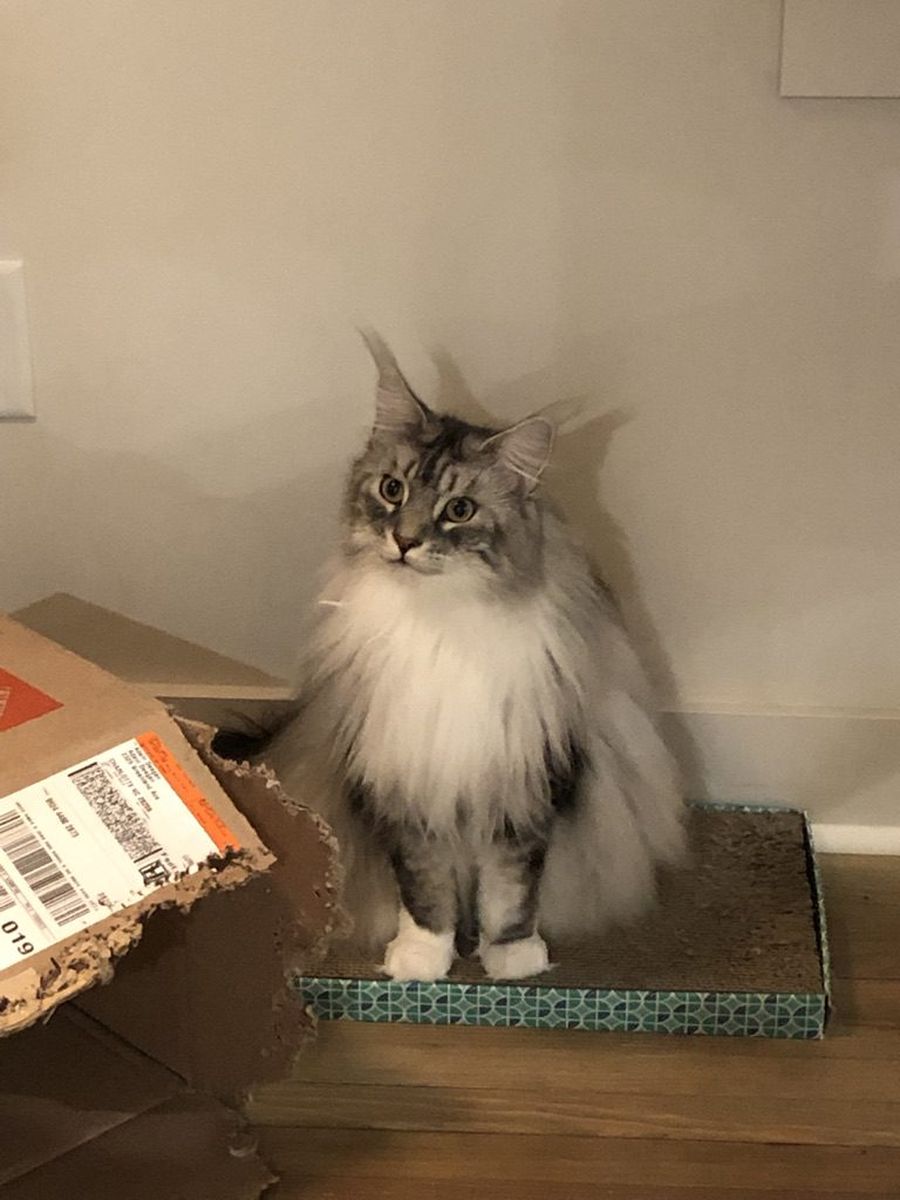
Plenty of cats bolt under the bed the moment a visitor arrives. Owners often assume that means a sitter is not an option. In practice, a shy cat is usually better off staying home with a sitter than being taken to a boarding facility full of new smells and sounds.
Why home still wins for shy cats
A shy cat's biggest stress is unfamiliar surroundings. At home, they keep their own hiding spots, their own litter box and their own routine. The only new thing is a person, and a patient person can become a familiar one.
How a good sitter works with a shy cat
- Slow introductions. The sitter comes in quietly, speaks softly and lets the cat approach, rather than reaching in.
- Sitting at floor level. Sitting down, avoiding direct eye contact and offering a hand to sniff are all cat-friendly signals.
- Finding the cat every visit. Even if your cat stays hidden, the sitter confirms they are eating, drinking, using the litter box and moving normally.
- Using food and play. A wand toy or a favorite treat can bring many shy cats out over a few visits.
- Reading body language. Ears, tail and pupils tell a sitter when to back off.
- Never forcing contact. Pressure makes shy cats hide for longer.
How to set your sitter up
- Book a meet-and-greet first. Let your cat see the sitter while you are home. Our meet-and-greet guide explains what to expect.
- List the hiding spots. Under the bed, behind the couch, inside the closet. This saves time and worry.
- Share what works. A certain treat, a favorite toy, a word your cat responds to.
- Explain the warning signs. Flattened ears, a swishing tail or a low growl mean "give me space."
- Say how you want escapes handled. Tell the sitter which doors and windows must stay shut, and keep the carrier easy to find.
What counts as a problem
Hiding itself is normal for a shy cat. These are not:
- Not eating or drinking for a full day
- Not using the litter box, or straining in it
- Vomiting or diarrhea that continues
- Hiding much more than usual, or hissing at things that do not normally bother them
In these cases, a sitter should contact you and your vet. See what a sitter checks on every visit.
What we do
Our cat visits include time to find your cat, check them over and send you a photo and note. If your cat stays out of sight, we will tell you how we confirmed they were okay. See our cat sitting service or ask about a free meet-and-greet in Belmont, Mt. Holly, Cramerton, Lake Wylie and nearby.
Further reading
This article is general information for pet owners and is not a substitute for advice from your veterinarian.