Traveling With a Cat on Insulin or Daily Medication
If your cat takes insulin, pills or other daily treatment, leaving them with a casual helper is risky. The good news is that with a clear plan, many cats with medical needs do well at home with an experienced sitter. This guide covers how to set it up. It is general information, not veterinary advice, so your vet's instructions always come first.
Start with your vet
Before you book a sitter, ask your vet:
- Is it safe to travel for the length of this trip?
- Can a sitter give the treatment, and do they need a demonstration?
- What should the sitter do if a dose is missed or late?
- What signs mean "call us" and which mean "go to the emergency clinic"?
- Can you leave written authorization for the sitter to approve emergency care?
Match the visit schedule to the medication
Cats on twice-daily insulin or medication need two visits a day at consistent times. A single daily visit does not work. When you ask a sitter for a quote, count the visits first. Our cat sitter cost guide shows how a twice-daily schedule adds up.
What to leave for the sitter
- Written instructions: drug name, dose, time, how to give it, and with or without food
- Supplies: enough for the whole trip plus extra in case you are delayed
- Storage details: for example, insulin that needs to stay in the refrigerator
- Equipment: syringes, a sharps container, pill pockets, a pill popper or treats your cat accepts
- A log sheet to record each dose and the time
- Your vet and the nearest 24-hour emergency clinic, with phone numbers
Our instruction sheet guide and medication guide cover the list in more detail.
Do a practice run
Have the sitter watch you give a dose at a meet-and-greet, then give one themselves while you are present. This catches small problems, such as a cat who spits out pills or hides when the syringe appears, before you are away.
What the sitter should watch
Beyond the dose itself, a sitter should note and report:
- Appetite and whether the meal was finished (important with insulin)
- Water intake, if it is much higher or lower than normal
- Litter box output and any straining
- Energy, hiding, vomiting or wobbliness
If your cat skips a meal on an insulin schedule, the sitter should call you or your vet before giving the dose, as you have agreed in advance.
Senior cats and kittens
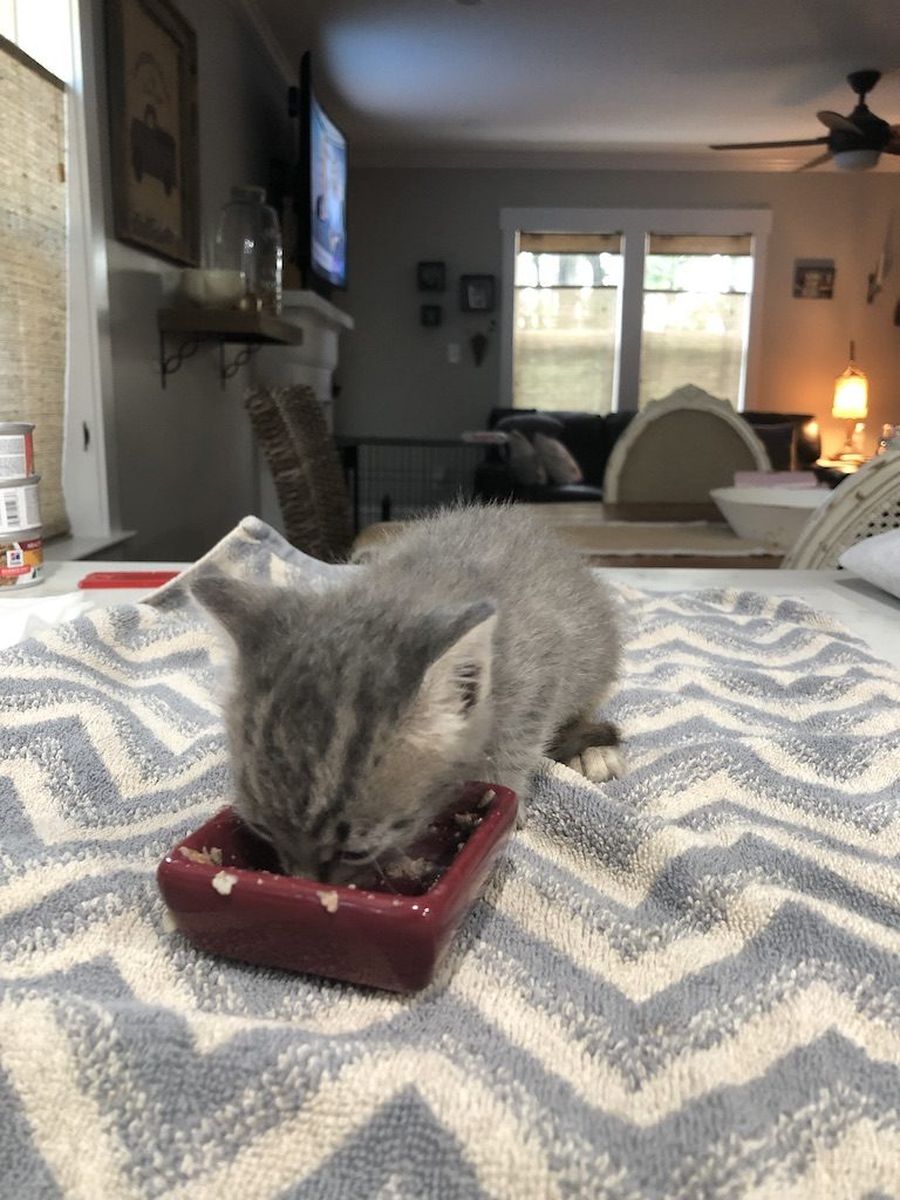
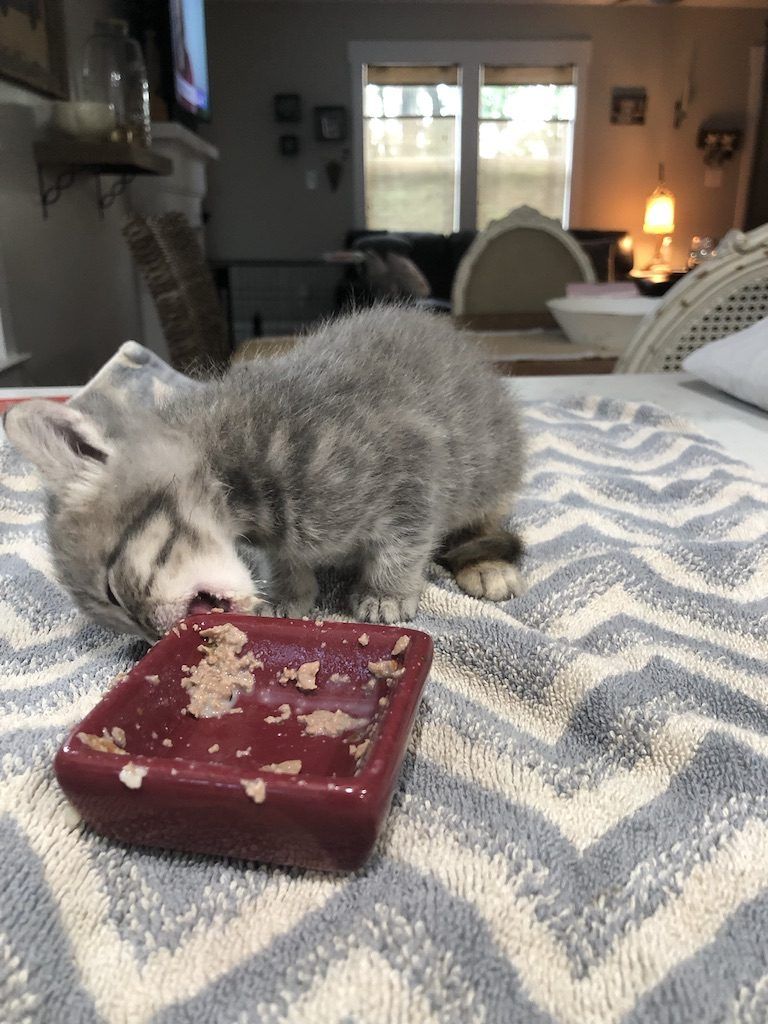
Older cats often have more than one condition, and kittens need frequent small meals. Both usually need more visits. See our guides on senior pet care while traveling and puppy and kitten care.
What we offer
Porchlight cat visits include medication such as pills, liquids, eye drops and insulin injections, on your schedule. We go over dose and timing at a free meet-and-greet and note each dose in your visit report. See cat sitting for details and pricing.
Further reading
This article is general information for pet owners and is not a substitute for advice from your veterinarian.