Dog Walking Basics: Exercise Needs, Harness vs. Collar, and Leash Manners
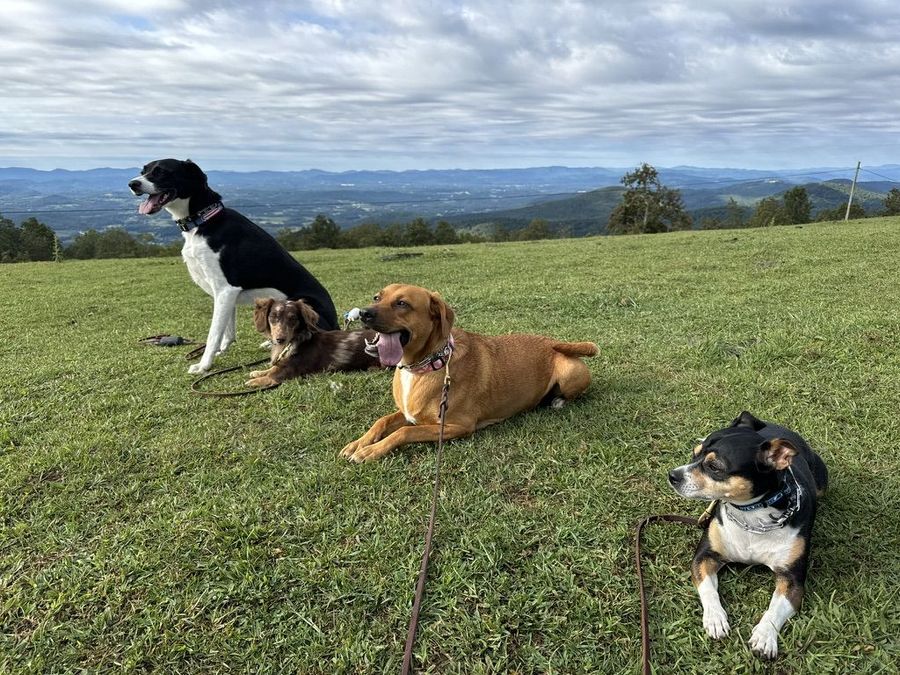
Walks are more than bathroom breaks. They give dogs exercise, mental stimulation and a chance to explore the world through scent. A well-planned walk keeps dogs healthier, calmer and better behaved at home.
How much exercise does a dog need?
It depends on age, breed, size and health. As a rough guide:
- Puppies need frequent short outings and play, with care not to overdo exercise while their joints develop.
- Adult dogs often do well with 30 to 60 minutes of activity a day, and high-energy working breeds may need much more.
- Seniors usually benefit from shorter, gentler, more frequent walks.
- Flat-faced breeds tire and overheat quickly and need shorter outings.
Ask your veterinarian what is appropriate for your dog's body condition and any joint or heart conditions.
Harness or collar?
- Flat collar: Good for ID tags. Fine for dogs who do not pull.
- Back-clip harness: Comfortable and secure for many dogs, and reduces pressure on the neck.
- Front-clip harness: Gives more steering control for dogs who pull.
- Head halters: Effective for some strong pullers, but need gradual introduction.
- Retractable leashes: Less control, and they can cause injuries. A standard 4 to 6 foot leash is safer for neighborhood walks.
Choose gear that fits snugly without chafing, and check it often for wear. For escape artists, a martingale collar or a double-attached harness adds security.
Make walks calmer
- Let your dog sniff. Sniffing is how dogs read the news and burns mental energy.
- Reward loose-leash walking. Treat and praise when the leash is slack.
- Stop when pulling starts. Stand still, and move forward again when the leash loosens.
- Keep greetings controlled. Ask other owners before letting dogs say hello.
- Pick up after your dog, every time.
Safety checklist
- Carry water on warm days and see our hot weather walking guide
- Watch for hazards such as broken glass, antifreeze puddles and dropped food
- Be aware of wildlife, loose dogs and traffic
- Keep ID tags on at all times, and confirm microchip registration
Handing off to a dog walker
Share with your walker:
- The usual route and any places to avoid
- Your dog's triggers
- Whether leash greetings are allowed
- Gear location, treats and rules for taking treats from strangers
- How you want to be updated, such as a text and photo after each walk
Regular, well-matched exercise keeps dogs fit and can prevent many behavior problems before they begin.
Further reading
This article is general information for pet owners and is not a substitute for advice from your veterinarian.